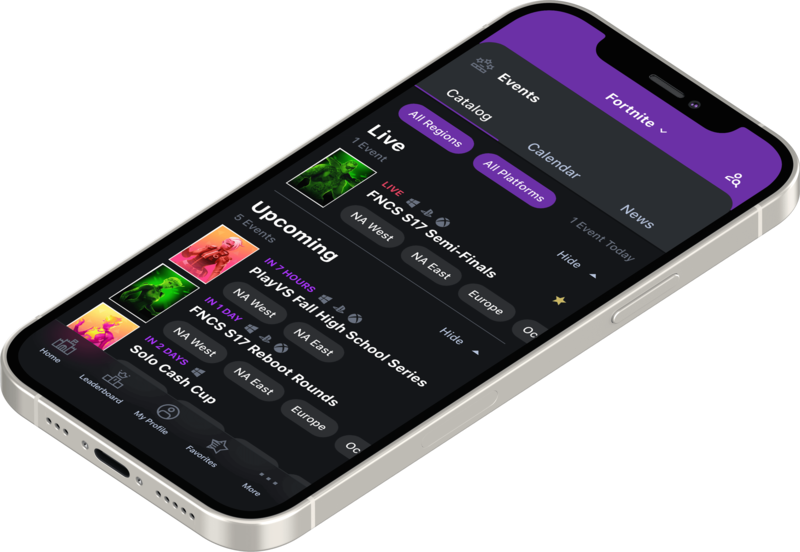
Get the Mobile App
We've rebuilt our mobile app from the ground up with your favorite features and games.
As localized synthesis tools become tougher to intercept at the hosting level, the technology industry is pivoting toward provenance. Through initiatives like the , cameras, smartphones, and editing software are integrating cryptographic watermarks at the moment of capture. This allows platforms to instantly verify whether a video is authentic or synthetically altered, regardless of how convincing it looks. Proactive Next Steps
The creation and distribution of non-consensual synthetic media violate personal privacy rights, copyright laws, and standard platform terms of service. Engaging with platforms that host unauthorized likenesses supports ecosystems that exploit individuals without their consent. Comprehensive Security Best Practices video title emma stone deepfake mondomonger portable
The proliferation of queries targeting non-consensual celebrity deepfakes raises severe ethical and legal concerns regarding digital consent, copyright, and identity theft. 1. Non-Consensual Synthetic Media As localized synthesis tools become tougher to intercept
When combined, the phrase suggests a highly specific, self-contained digital package containing AI-generated celebrity media, optimized for offline viewing or decentralized sharing. The Evolution of Synthetic Media and Portability Proactive Next Steps The creation and distribution of
The presence of technical terms alongside public figures underscores the rapid democratization of machine learning tools. Over the past several years, the technology required to alter, manipulate, or completely synthesize realistic human likenesses has moved from high-budget Hollywood visual effects studios to standard consumer hardware. Generative Adversarial Networks (GANs) and Diffusion Models
We've rebuilt our mobile app from the ground up with your favorite features and games.