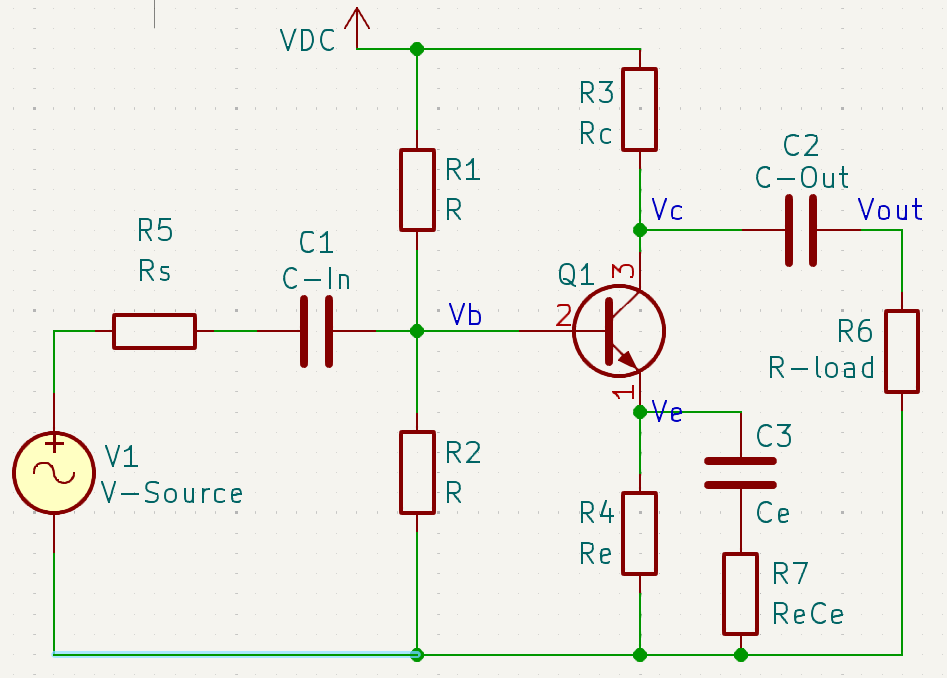
"Basic Electrical Engineering" by V.N. Mittle and Arvind Mittal is a staple textbook in the Indian technical education system. It is designed to bridge the gap between high school physics and advanced electrical engineering concepts. The book is renowned for its , providing a balanced mix of theory and numerical problems. It serves as a foundational text for non-electrical engineering branches (Civil, Mechanical, Computer Science) as well as a primer for Electrical Engineering students.
He got the highest grade in the class.
Methods for extending the range of measurement tools.
The book "Basic Electrical Engineering" by V.N. Mittle and Arvind Mittal has several features that make it a popular textbook among students and teachers:
Techniques for measuring power in single and three-phase circuits. Why This Textbook is Widely Used
The link just said: The Circuit Never Lies.
The book is ideal for students who have some prior exposure to basic electrical principles and are looking to solidify their understanding while preparing for competitive examinations. For complete beginners, it might be helpful to supplement this book with a more introductory text. However, for its target audience of second-semester and higher-level students, as well as GATE and UPSC aspirants, this book is an invaluable asset. The combined academic weight of its authors ensures that the content remains relevant, rigorous, and reliable, making it a highly recommended addition to any engineering student's library.
Understanding the relationship between electricity and magnetism is vital for studying electrical machines. Reluctance, permeance, flux density ( ), and magnetic field intensity (
You can also purchase the book from local bookstores. Many university library catalogs list the book, indicating that it can also be found in physical libraries [1†L9-L10].
Hundreds of academic exam problems are solved to show practical applications of formulas.