The astronomical season varies in length and start date by a few days each year due to the elliptical nature of Earth’s orbit. Fixed meteorological months provide climate scientists with stable, reliable data brackets to track long-term warming and weather anomalies. The Biological Definition: Phenology and Ecological Shifts
As temperatures rise, frozen water (snowpack and ice) begins to melt. In mountainous regions, this creates spring runoff, which replenishes rivers, reservoirs, and groundwater aquifers. For farmers, the arrival of spring is the starting pistol for the growing season. Without the thaw, there is no water for summer crops.
For wildlife, this is the time for breeding, building nests, and raising young, as food sources (insects, new vegetation) become plentiful. This is a crucial period for ecosystem replenishment. 4. Why We Need the Spring Season
After the coldest months, spring brings a gradual warming of the soil and air. While spring can still be unpredictable, featuring late frosts or early warm spells, the overall trend is toward higher temperatures.
The progression of spring brings distinct environmental transformations: spring definition season
In the Southern Hemisphere, these mechanics are completely inverted. The astronomical spring definition applies to the period between the September equinox (September 22–23) and the December solstice (December 21–22). The Meteorological Definition: Fixed Months for Data
While the equinox is poetic, it is not always practical for record-keeping. Therefore, climatologists and meteorologists created a based on annual temperature cycles and the Gregorian calendar. Meteorological spring always starts on March 1 and ends on May 31 in the Northern Hemisphere (September 1 to November 30 in the Southern Hemisphere).
Rising temperatures melt winter snow, recharging rivers, lakes, and aquifers.
The Persian New Year, which celebrates the exact moment of the vernal equinox as a triumph over winter darkness. The astronomical season varies in length and start
The swelling of tree buds and the first blooming of wildflowers.
While we often think of it as a single event, "spring" actually has several distinct definitions depending on whether you are looking at the stars, the weather, or the blooming flowers. The Astronomical Definition: Following the Stars
What is the (e.g., academic, casual, poetic)?
By using consistent three-month groupings, scientists can more accurately compare weather patterns from year to year without the slight "drift" of astronomical dates. The Phenological Definition: Following Nature In mountainous regions, this creates spring runoff, which
Why is the equinox so important to the spring definition season? On the equinox, the Earth's axis is tilted neither toward nor away from the sun. As a result, day and night are nearly equal in length—approximately 12 hours each, everywhere on Earth. After the vernal equinox, days become longer than nights, and the sun climbs higher in the sky each day until the summer solstice.
. At its core, it is the transition period from winter to summer characterized by rising temperatures and longer daylight. 1. Astronomical Definition Astronomical Spring is based on the Earth's orbit and tilt relative to the sun. Met Office Begins with the vernal equinox
The tradition of "spring cleaning" stems from the ancient practice of clearing out the soot and dust accumulated from wood fires during the winter months. Regional Variations
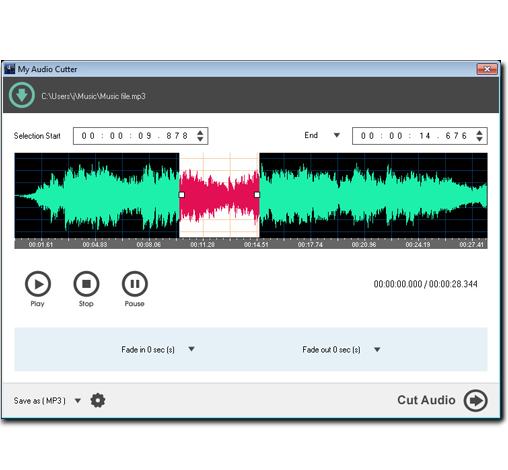
Audio Cutter
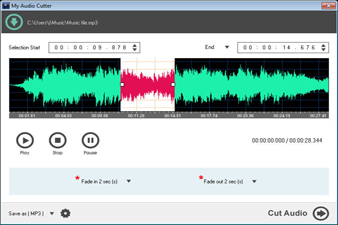
Apply Fade In / Out Effect
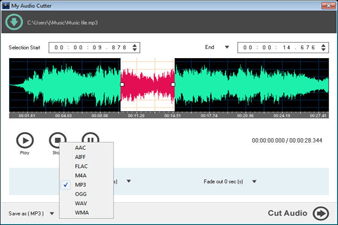
Supported Output Format
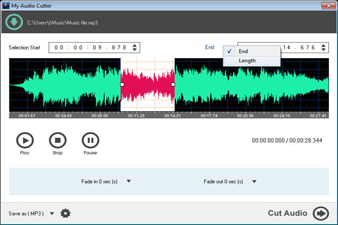
Cut Audio by End Time / Length
Supported Input Audio Format
AAC Audio Files
MP3 Audio Files
MP2 Audio Files
M4A Audio Files
FLAC Audio Files
AIFF Audio Files
AC3 Audio Files
WAV Audio Files
OGG Audio Files
WMA Audio Files
WavPack Audio Files
Supported Input Video Format
MP4 Video Files
WMV Video Files
ASF Video Files
Supported Output Audio Format
AAC Audio Files
AIFF Audio Files
MP3 Audio Files
FLAC Audio Files
WMA Audio Files
OGG Audio Files
M4A Audio Files
WAV Audio Files
Microsoft Windows 7, 8, 10, 11
1.2GHz Intel or AMD CPU
1G RAM
512 MB Hard Disk Storage