Your cart is currently empty.
: General Cornelius Flavius Silva (Peter O'Toole) realizes that a direct assault is impossible. He commands his legions—and Jewish slaves—to build a massive earthen ramp up the western face of the mountain.
The team also discovered a cache of scrolls, hidden away in a small chamber, which included biblical texts, apocryphal works, and sectarian writings. These scrolls not only confirmed the Jewish identity of the Masada community but also provided a unique window into their theological and philosophical perspectives.
High on the fortress, cut off from the outside world, Eleazar watches the ramp grow closer and the tower take shape. He knows a direct assault is suicide. So, he changes tactics, initiating a brilliant and desperate campaign of psychological warfare.
This segment remains a cornerstone of the miniseries, showcasing powerful performances and a deep, empathetic look at one of history’s most dramatic standoffs.
: Inside the fortress, Eleazar ben Ya'ir (played by Peter Strauss) leads the Sicarii rebels. Part 3 highlights the psychological toll on the defenders as they watch the ramp slowly rise, signaling their inevitable confrontation with the Roman army.
The tension is amplified by the realization that once the wall is breached, there will be no turning back. The scenes depicting the use of the ram are chaotic and intense, marking the final physical breach of Masada's defenses. Themes of Freedom and Sacrifice
The keyword attached to this search is telling. The original 1981 broadcast was viewed on standard definition CRT televisions. Today, fans crave a new transfer—ideally 4K or HD—that reveals the scope of the production.
This public link is valid for 7 days and shares a thread, including any personal information you added. This link or copies made by others cannot be deleted. If you share with third parties, their policies apply. Can’t copy the link right now. Try again later.
For a detailed look at the final episode, you can read more about the conclusion here.
To watch Masada Part III is to watch the end of an era. It strips away the romanticism of the first two parts and forces the viewer to stare into the abyss of ancient warfare. This episode remains a standout in television history for its unflinching look at the cost of freedom. It’s a masterpiece of tension, driven by a legendary villain and a score that gets under your skin.
While the Zealots are the protagonists, Part 3 belongs to Peter O’Toole as Flavius Silva. In this segment, Silva moves from aggressor to reluctant architect. We see the construction of the siege ramp—a terrifying feat of engineering that serves as the ticking clock of the series. O’Toole’s performance in these scenes is a study in restrained power. He does not hate the Jews on the mountain; he respects them, perhaps more than he respects the political machinations in Rome that forced this conflict.
This public link is valid for 7 days and shares a thread, including any personal information you added. This link or copies made by others cannot be deleted. If you share with third parties, their policies apply. Can’t copy the link right now. Try again later.
Will Falco’s cruelty destroy the honor that Silva fought to maintain?
By Part III, the siege is locked in a deadly stalemate. Following the show's initial setup, the Romans, now led by the scheming and merciless envoy , have replaced the honorable General Silva (Peter O'Toole). Falco’s ambition to quickly crush the rebellion leads to increasingly brutal tactics, abandoning military honor for cold terror.
David Warner’s performance as is the episode's undeniable highlight. He seizes control from Peter O'Toole’s Flavius Silva, immediately stripping the siege of its last traces of chivalry. If Silva represents the old Roman ideal of a military commander, Falco represents the new breed of political animal—ruthless, cunning, and completely devoid of empathy. He is a masterpiece of dramatic villainy, and his arrival changes the entire feel of the miniseries from a somber military drama to a desperate thriller.
: The interaction between the instruments is a key element, with each musician responding and initiating musical phrases in a dynamic conversation. This interplay is a hallmark of Masada's live performances and a key aspect of their appeal.
In the era of Game of Thrones and Succession , we appreciate nuanced antagonists. Peter O’Toole’s Silva is not a cartoon villain. In Part 3, he shows genuine respect for his enemy. He is a Roman general trapped by his orders, not by malice. This modern anti-hero arc shines brightest in Part 3.
Enjoy making healthy toast pizza quickly and easily with nutritious ingredients perfect for any time...
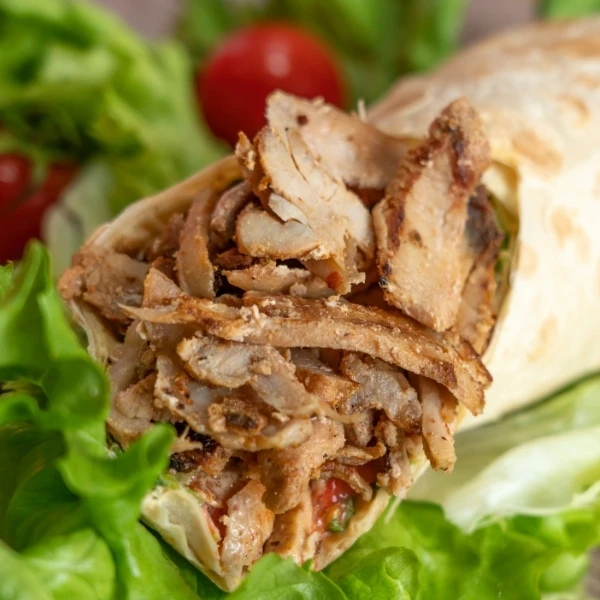
Healthy homemade shawarma recipe, easy to prepare, low in fat and perfect for a healthy diet
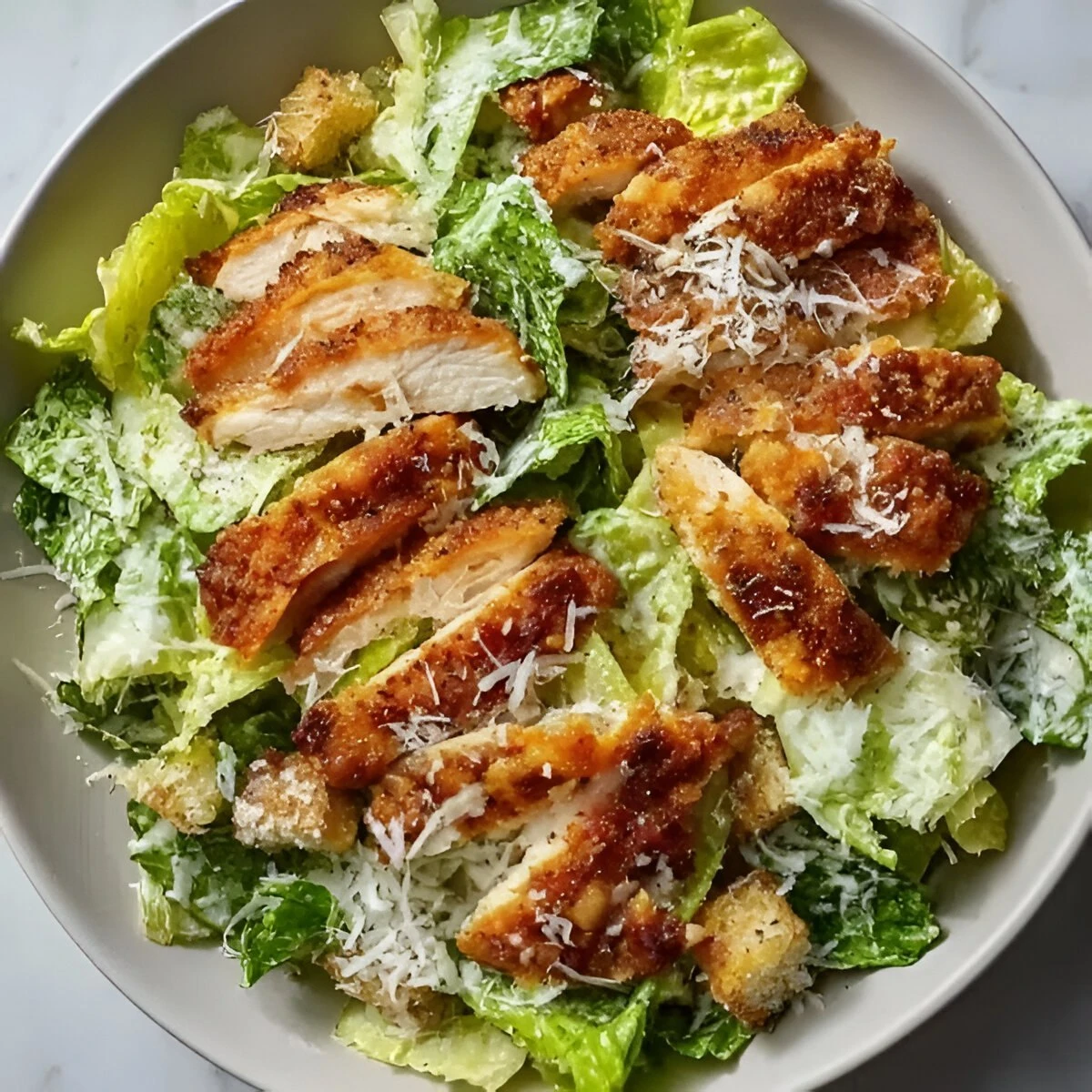
Learn how to make a healthy Caesar salad with simple steps, light ingredients, and a nutritious dres...
: General Cornelius Flavius Silva (Peter O'Toole) realizes that a direct assault is impossible. He commands his legions—and Jewish slaves—to build a massive earthen ramp up the western face of the mountain.
The team also discovered a cache of scrolls, hidden away in a small chamber, which included biblical texts, apocryphal works, and sectarian writings. These scrolls not only confirmed the Jewish identity of the Masada community but also provided a unique window into their theological and philosophical perspectives.
High on the fortress, cut off from the outside world, Eleazar watches the ramp grow closer and the tower take shape. He knows a direct assault is suicide. So, he changes tactics, initiating a brilliant and desperate campaign of psychological warfare.
This segment remains a cornerstone of the miniseries, showcasing powerful performances and a deep, empathetic look at one of history’s most dramatic standoffs.
: Inside the fortress, Eleazar ben Ya'ir (played by Peter Strauss) leads the Sicarii rebels. Part 3 highlights the psychological toll on the defenders as they watch the ramp slowly rise, signaling their inevitable confrontation with the Roman army. masada+1981+part+3+of+4+new
The tension is amplified by the realization that once the wall is breached, there will be no turning back. The scenes depicting the use of the ram are chaotic and intense, marking the final physical breach of Masada's defenses. Themes of Freedom and Sacrifice
The keyword attached to this search is telling. The original 1981 broadcast was viewed on standard definition CRT televisions. Today, fans crave a new transfer—ideally 4K or HD—that reveals the scope of the production.
This public link is valid for 7 days and shares a thread, including any personal information you added. This link or copies made by others cannot be deleted. If you share with third parties, their policies apply. Can’t copy the link right now. Try again later.
For a detailed look at the final episode, you can read more about the conclusion here. : General Cornelius Flavius Silva (Peter O'Toole) realizes
To watch Masada Part III is to watch the end of an era. It strips away the romanticism of the first two parts and forces the viewer to stare into the abyss of ancient warfare. This episode remains a standout in television history for its unflinching look at the cost of freedom. It’s a masterpiece of tension, driven by a legendary villain and a score that gets under your skin.
While the Zealots are the protagonists, Part 3 belongs to Peter O’Toole as Flavius Silva. In this segment, Silva moves from aggressor to reluctant architect. We see the construction of the siege ramp—a terrifying feat of engineering that serves as the ticking clock of the series. O’Toole’s performance in these scenes is a study in restrained power. He does not hate the Jews on the mountain; he respects them, perhaps more than he respects the political machinations in Rome that forced this conflict.
This public link is valid for 7 days and shares a thread, including any personal information you added. This link or copies made by others cannot be deleted. If you share with third parties, their policies apply. Can’t copy the link right now. Try again later.
Will Falco’s cruelty destroy the honor that Silva fought to maintain? These scrolls not only confirmed the Jewish identity
By Part III, the siege is locked in a deadly stalemate. Following the show's initial setup, the Romans, now led by the scheming and merciless envoy , have replaced the honorable General Silva (Peter O'Toole). Falco’s ambition to quickly crush the rebellion leads to increasingly brutal tactics, abandoning military honor for cold terror.
David Warner’s performance as is the episode's undeniable highlight. He seizes control from Peter O'Toole’s Flavius Silva, immediately stripping the siege of its last traces of chivalry. If Silva represents the old Roman ideal of a military commander, Falco represents the new breed of political animal—ruthless, cunning, and completely devoid of empathy. He is a masterpiece of dramatic villainy, and his arrival changes the entire feel of the miniseries from a somber military drama to a desperate thriller.
: The interaction between the instruments is a key element, with each musician responding and initiating musical phrases in a dynamic conversation. This interplay is a hallmark of Masada's live performances and a key aspect of their appeal.
In the era of Game of Thrones and Succession , we appreciate nuanced antagonists. Peter O’Toole’s Silva is not a cartoon villain. In Part 3, he shows genuine respect for his enemy. He is a Roman general trapped by his orders, not by malice. This modern anti-hero arc shines brightest in Part 3.