Building an accurate Cisco switching lab requires a bit of upfront effort to gather the correct files. By securing a legal copy of Cisco's image through a Cisco Modeling Labs subscription and integrating it with the GNS3 VM via marketplace appliances, you ensure a highly stable, feature-rich simulation environment that behaves exactly like physical enterprise hardware.
Search for the specific hardware model your organization owns (e.g., Catalyst 9000 or older routers).
The process of acquiring and installing a Cisco IOS image for GNS3 is a foundational task for anyone pursuing network certifications like the CCNA or CCNP. Because Cisco IOS is proprietary software, the procedure requires a careful balance of legal compliance, technical compatibility, and software configuration. This essay outlines the essential steps to legally obtain these images and integrate them into the GNS3 environment. Legal Acquisition of IOS Images
Log into your Cisco account and navigate to your download portal.
If using legacy Dynamips images, calculating an "Idle-PC" value is mandatory. Without this, the emulated CPU will consume 100% of the host computer’s resources, even when the virtual router is doing nothing.
Using the GNS3 Marketplace appliance template is the easiest way to install a vIOSL2 switch image. Prerequisites
running via VMware Workstation or VirtualBox (strongly recommended for Qemu images). Step 1: Download the GNS3 Appliance File
Cisco software is copyrighted intellectual property. Downloading IOS images from third-party torrent sites, public Google Drives, or shady forums violates Cisco’s End User License Agreement (EULA) and risks infecting your computer with malware.
Locate and select the cisco-viosl2.gns3a file you downloaded in Step 1.
images, which are virtualized versions of Cisco switches specifically designed for labbing. The Catch:
The modern, stable way to install images in GNS3 is by using the templates combined with the GNS3 VM . Prerequisites GNS3 GUI installed on your computer.
Method B: Cisco Service Contract (For Physical Hardware Owners)
MASSAGE
SEND
×The message has been sent!
In the near future we will reply to you.
Regards WDS
|
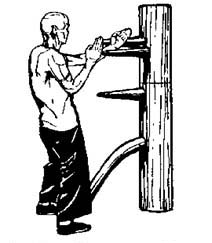
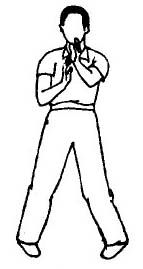
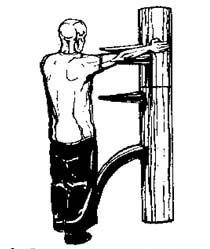
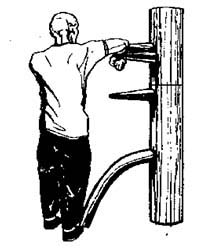
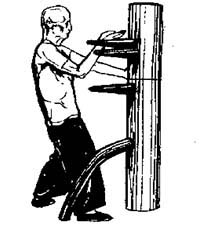
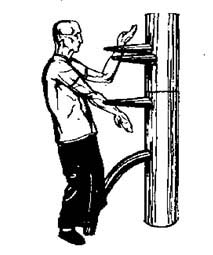
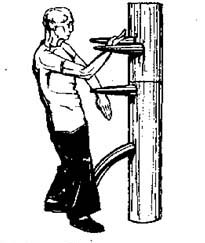
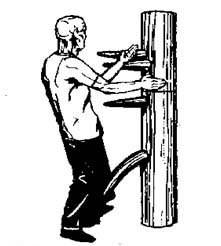
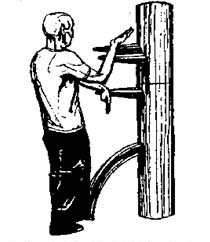
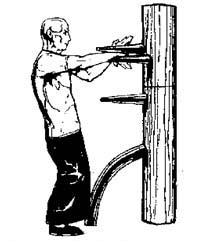
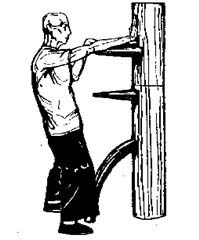
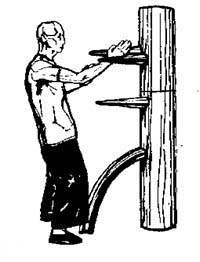
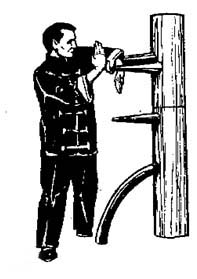
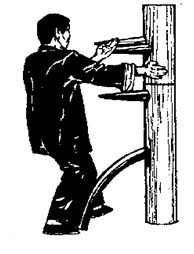
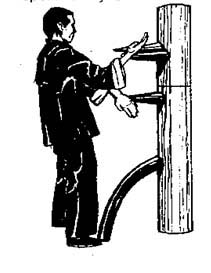
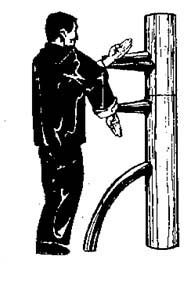
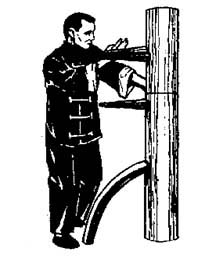
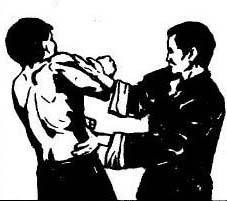
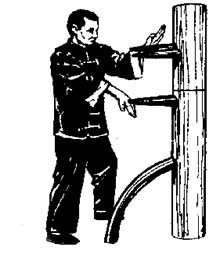
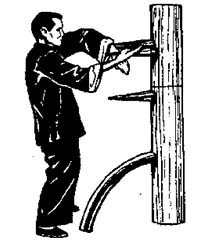
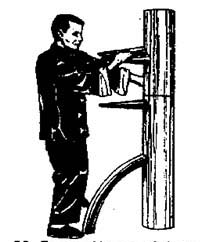
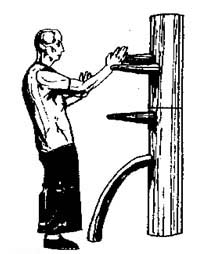
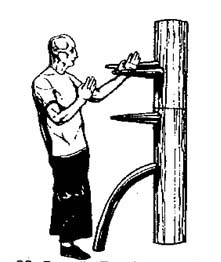
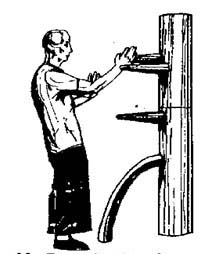
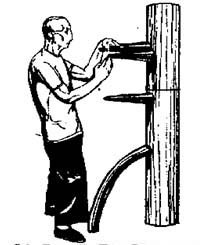
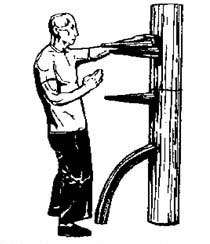
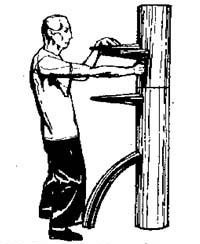
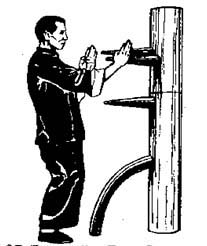
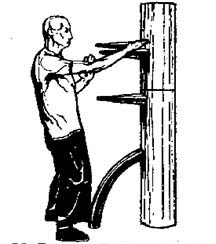
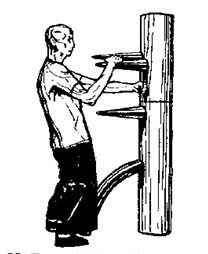
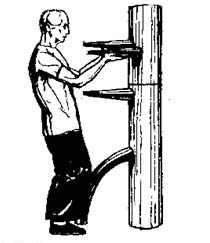
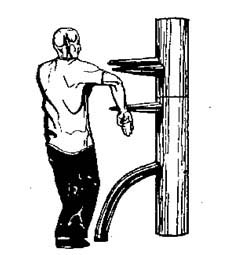
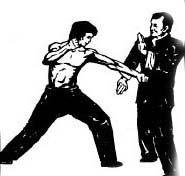
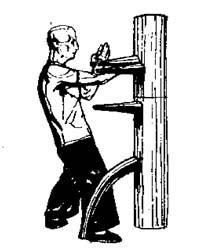
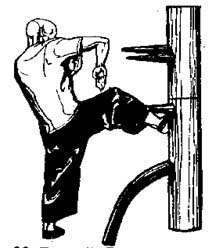
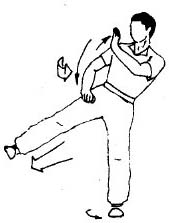
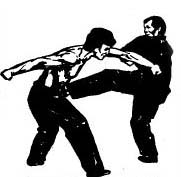
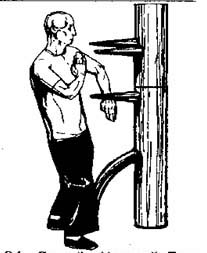
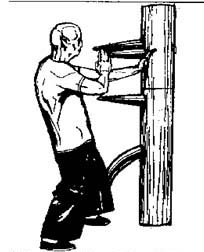
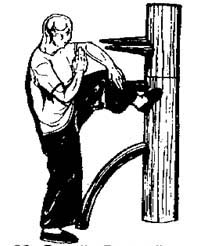
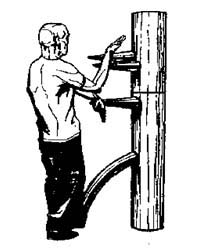
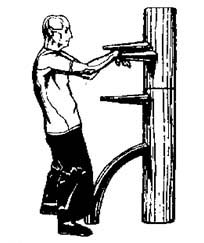
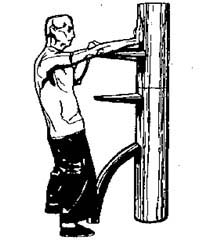
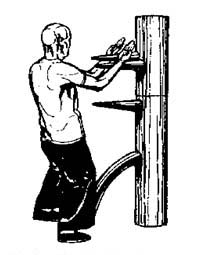
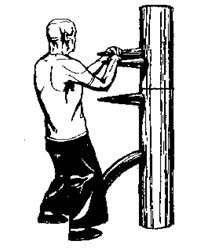
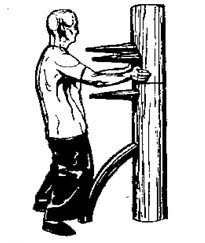
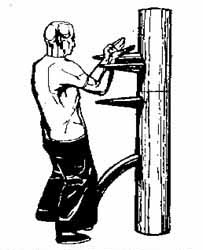
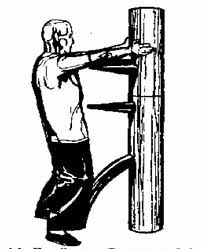
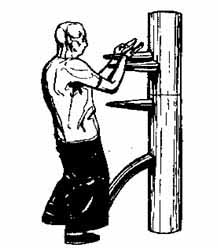
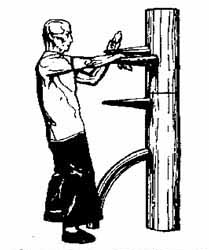
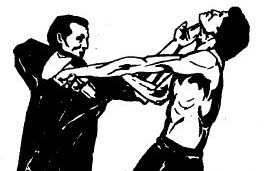
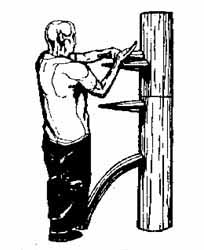
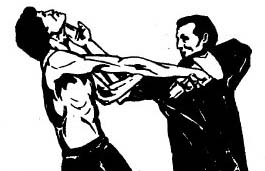
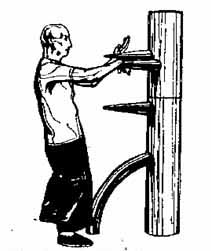
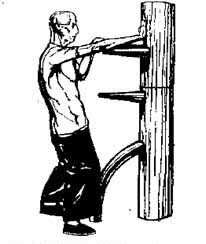
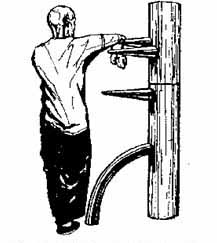
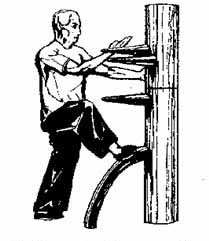
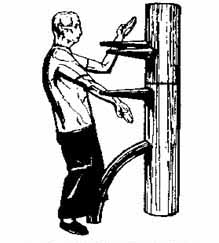
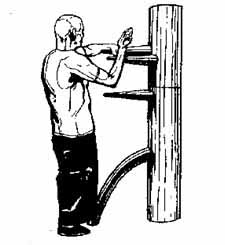
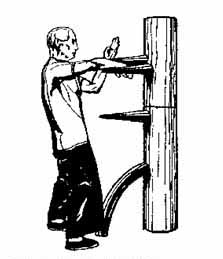
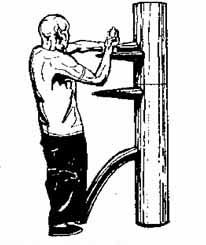
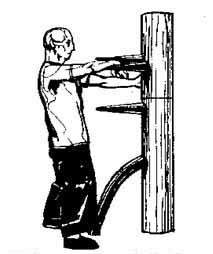
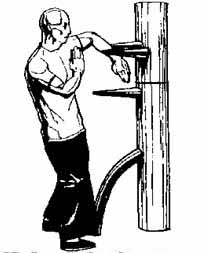
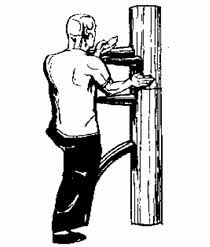
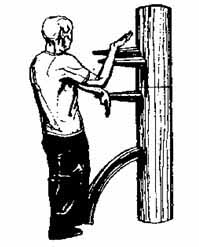
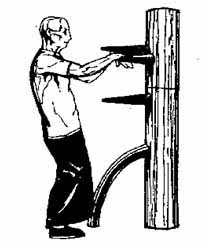
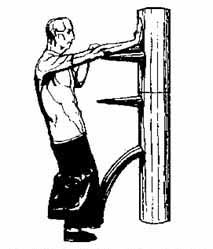
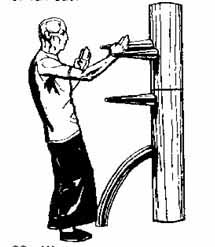
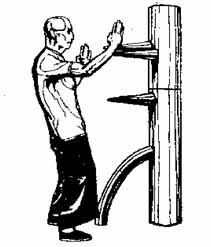
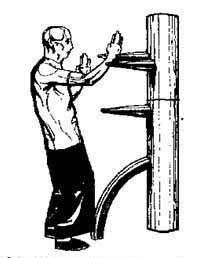
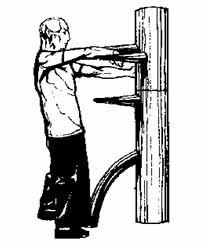
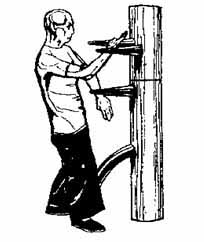
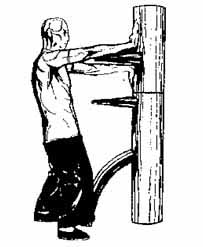
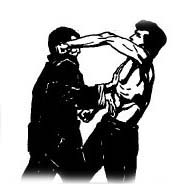
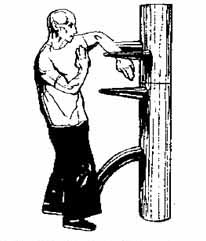
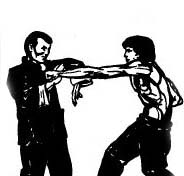
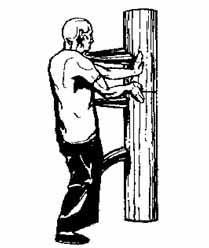
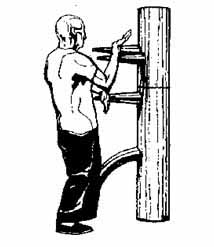
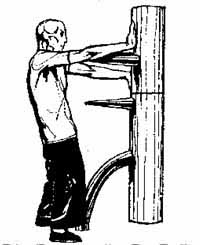
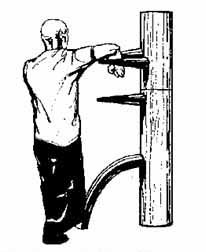
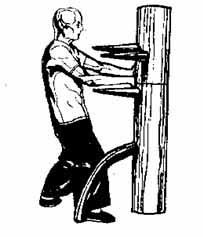
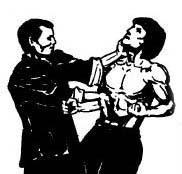
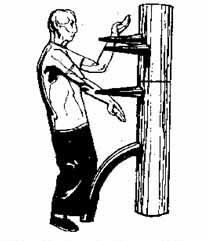
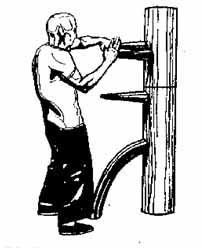
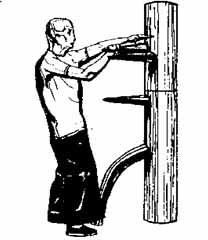
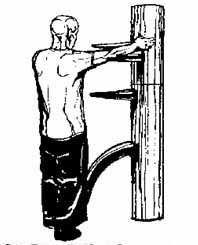
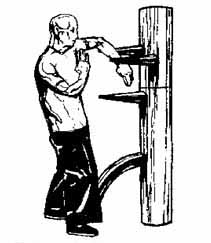
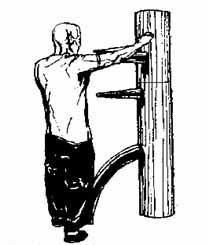
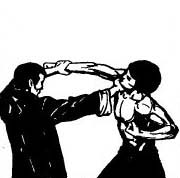
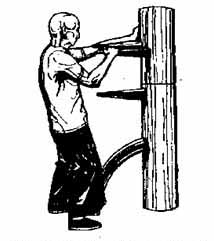
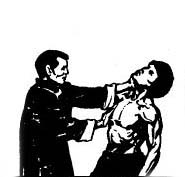
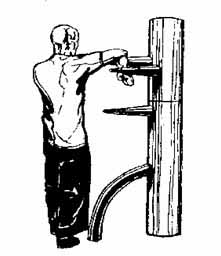
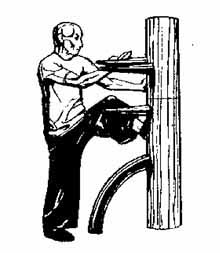
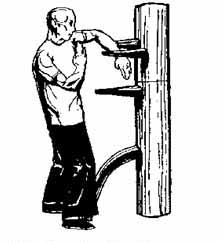
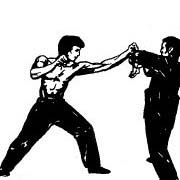
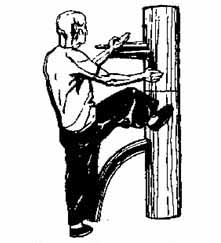
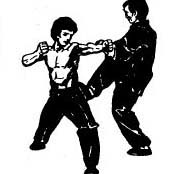
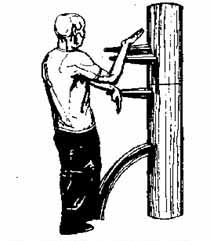
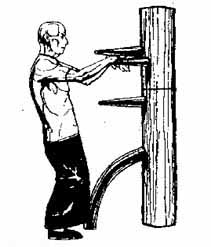
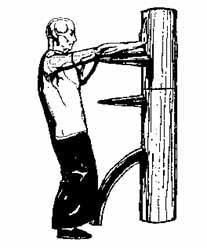
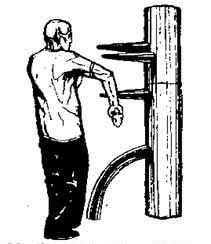
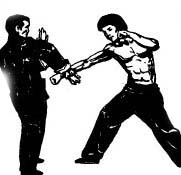
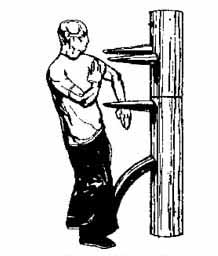
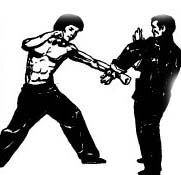
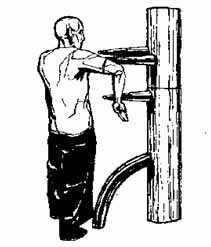
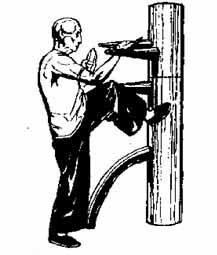
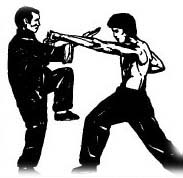
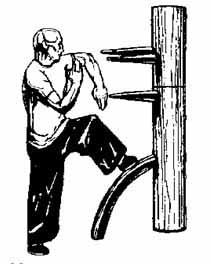
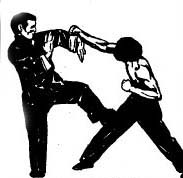
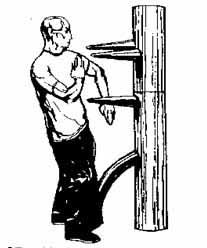
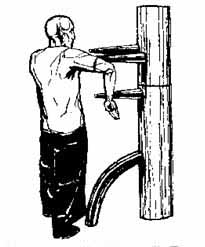
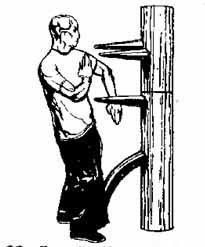
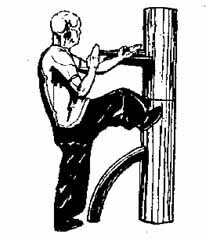
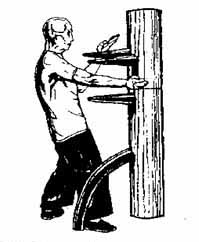
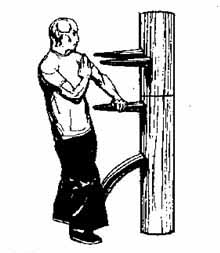
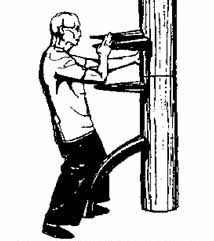
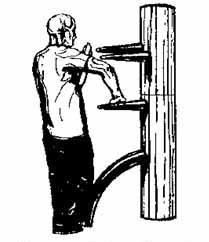
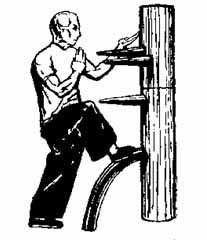
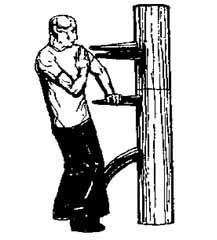
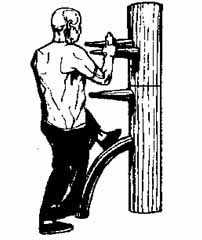
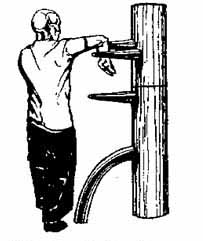
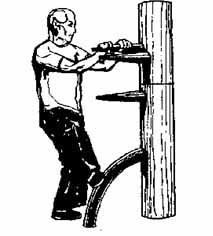
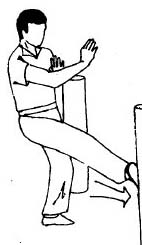
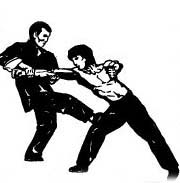
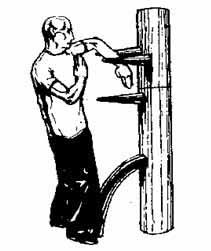
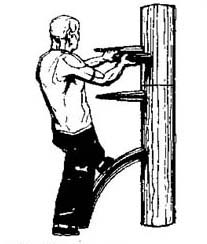
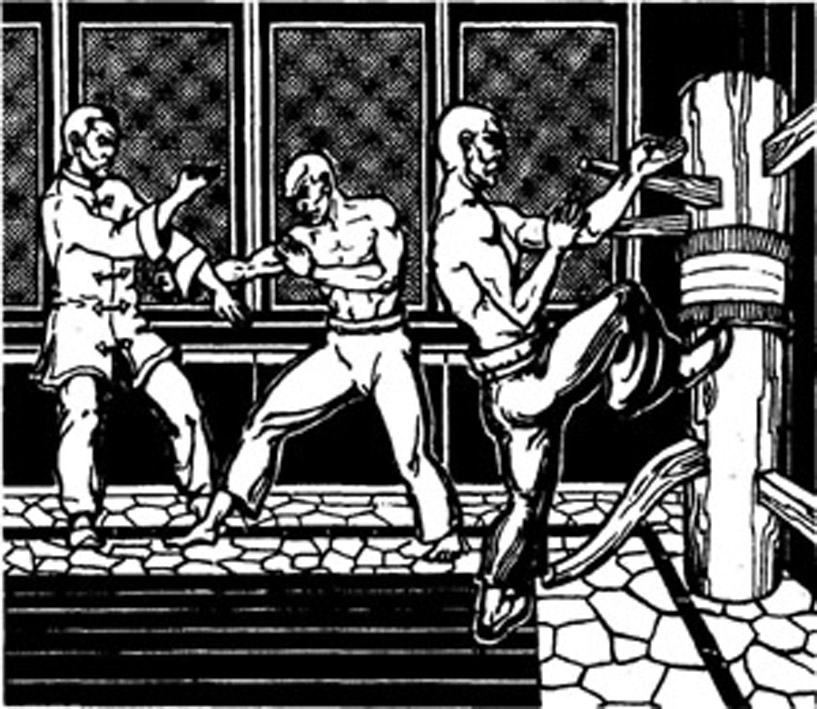
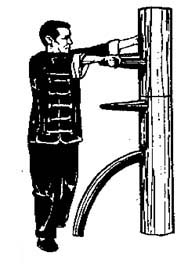
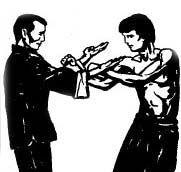
The Dummy - a versatile design, the system of life and knowledge generated of nowhere. The story of the dummy requires a separate investigation and treatment of the ancient treatises, and primary sources. But enough evidence to suggest that the history of a WD the longer of Wing Chun history as an independent style. Will there be a dummy to before create a Wing Chun or Wing Chun has appeared before - difficult to resolve the problem, which requires special studies.
|
| SECTION 1 | ||
![]() |
![]() |
![]() |
![]() |
![]() |
![]() |
![]() |
![]() |
![]() |
![]() |
![]() ![]() |
![]() |
![]() |
![]() |
![]() |
![]() |
![]() ![]() |
![]() |
![]() |
![]() ![]() |
![]() |
![]() |
![]() |
![]() |
![]() |
![]() |
![]() |
![]() |
![]() |
![]() |
| SECTION 2 | ||
![]() |
![]() |
![]() |
![]() |
![]() |
![]() |
![]() |
![]() |
![]() |
![]() |
![]() ![]() |
![]() |
![]() |
![]() |
![]() |
![]() |
![]() ![]() |
![]() |
![]() |
![]() ![]() |
![]() |
![]() |
![]() |
![]() |
![]() |
![]() |
![]() |
![]() |
![]() |
![]() |
| SECTION 3 | ||
![]() |
![]() |
![]() |
![]() |
![]() |
![]() |
![]() |
![]() |
![]() |
![]() |
![]() |
![]() |
![]() |
![]() |
![]() |
![]() |
![]() ![]() |
![]() |
![]() |
![]() |
![]() |
![]() |
![]() |
![]() |
![]() |
![]() ![]() |
![]() |
![]() |
||
| SECTION 4 | ||
![]() |
![]() |
![]() |
![]() |
![]() |
![]() |
![]() |
![]() |
![]() |
![]() |
![]() |
![]() |
![]() |
![]() ![]() |
![]() |
![]() |
![]() |
![]() |
![]() |
![]() |
![]() |
![]() |
![]() |
![]() |
![]() |
![]() |
![]() |
| SECTION 5 | ||
![]() |
![]() ![]() |
![]() |
![]() |
![]() ![]() |
![]() |
![]() |
![]() ![]() |
![]() |
![]() |
![]() ![]() |
![]() |
![]() |
![]() ![]() |
![]() |
![]() |
![]() ![]() |
![]() |
![]() |
![]() |
![]() |
![]() |
![]() |
![]() |
![]() |
![]() |
![]() |
![]() |
![]() |
![]() |
![]() |
![]() |
![]() |
![]() |
![]() |
![]() |
![]() |
![]() |
![]() |
![]() |
![]() |
![]() |
![]() |
![]() |
![]() |
![]() |
![]() |
![]() |
![]() |
![]() ![]() |
![]() |
![]() |
![]() |
![]() |
![]() |
![]() ![]() |
![]() |
![]() |
![]() |
![]() |
![]() |
![]() |
![]() |
![]() |
![]() |
![]() |
| SECTION 6 | ||
![]() |
![]() |
![]() |
![]() |
![]() |
![]() |
![]() |
![]() |
![]() |
![]() |
![]() |
![]() |
![]() |
![]() |
![]() |
![]() |
![]() ![]() |
![]() |
![]() |
![]() |
![]() |
![]() |
![]() ![]() |
![]() |
![]() |
![]() |
![]() |
![]() |
![]() ![]() |
![]() |
![]() |
![]() |
![]() |
![]() |
![]() ![]() |
![]() |
![]() |
![]() |
![]() |
![]() |
![]() |
![]() |
![]() |
![]() |
![]() |
| SECTION 7 | ||
![]() |
![]() |
![]() |
![]() |
![]() |
![]() |
![]() |
![]() |
![]() |
![]() |
![]() ![]() |
![]() |
![]() |
![]() |
![]() |
![]() |
![]() |
![]() |
![]() |
![]() ![]() |
![]() |
![]() |
![]() |
![]() |
![]() |
![]() |
![]() |
![]() |
![]() ![]() |
![]() |
![]() |
![]() |
![]() |
![]() |
![]() ![]() |
![]() |
![]() |
![]() |
![]() |
![]() |
![]() |
![]() |
![]() |
![]() |
![]() |
| SECTION 8 | ||
![]() |
![]() |
![]() |
![]() |
![]() |
![]() |
![]() |
![]() |
![]() |
![]() |
![]() ![]() |
![]() |
![]() |
![]() |
![]() |
![]() |
![]() |
![]() |
![]() |
![]() |
![]() |
![]() |
![]() |
![]() |
![]() |
![]() ![]() |
![]() |
![]() |
![]() |
![]() |
![]() |
![]() |
![]() |
![]() |
![]() ![]() |
![]() |
![]() |
![]() |
![]() |
![]() |
![]() ![]() |
![]() |
![]() |
![]() |
![]() |
![]() |
![]() ![]() |
![]() |
![]() |
![]() |
![]() |
![]() |
![]() ![]() |
![]() |
![]() |
![]() |
![]() |
![]() |
![]() ![]() |
![]() |
![]() |
![]() |
![]() |
![]() |
![]() |
![]() |
![]() |
![]() |
![]() |
![]() |
![]() |
![]() |
![]() |
![]() |
![]() |
Building an accurate Cisco switching lab requires a bit of upfront effort to gather the correct files. By securing a legal copy of Cisco's image through a Cisco Modeling Labs subscription and integrating it with the GNS3 VM via marketplace appliances, you ensure a highly stable, feature-rich simulation environment that behaves exactly like physical enterprise hardware.
Search for the specific hardware model your organization owns (e.g., Catalyst 9000 or older routers).
The process of acquiring and installing a Cisco IOS image for GNS3 is a foundational task for anyone pursuing network certifications like the CCNA or CCNP. Because Cisco IOS is proprietary software, the procedure requires a careful balance of legal compliance, technical compatibility, and software configuration. This essay outlines the essential steps to legally obtain these images and integrate them into the GNS3 environment. Legal Acquisition of IOS Images
Log into your Cisco account and navigate to your download portal. cisco switch ios image download for gns3 install
If using legacy Dynamips images, calculating an "Idle-PC" value is mandatory. Without this, the emulated CPU will consume 100% of the host computer’s resources, even when the virtual router is doing nothing.
Using the GNS3 Marketplace appliance template is the easiest way to install a vIOSL2 switch image. Prerequisites
running via VMware Workstation or VirtualBox (strongly recommended for Qemu images). Step 1: Download the GNS3 Appliance File Building an accurate Cisco switching lab requires a
Cisco software is copyrighted intellectual property. Downloading IOS images from third-party torrent sites, public Google Drives, or shady forums violates Cisco’s End User License Agreement (EULA) and risks infecting your computer with malware.
Locate and select the cisco-viosl2.gns3a file you downloaded in Step 1.
images, which are virtualized versions of Cisco switches specifically designed for labbing. The Catch: The process of acquiring and installing a Cisco
The modern, stable way to install images in GNS3 is by using the templates combined with the GNS3 VM . Prerequisites GNS3 GUI installed on your computer.
Method B: Cisco Service Contract (For Physical Hardware Owners)