Tamil Ool Aunty 🆓
For everyday comfort, the salwar kameez (tunic and trousers) and kurti paired with jeans are staples for both college students and working professionals.
From grassroots governance (Panchayats) to the highest offices of state, Indian women actively shape policy and lead social justice movements advocating for safety, environmental sustainability, and equality. Health, Wellness, and Balancing Acts
Many women live in joint family systems, sharing household responsibilities and childcare with extended relatives.
With cheap data rates (Jio revolution), women in tier-2 and tier-3 cities are becoming YouTubers, online tutors, and food bloggers. The lifestyle is no longer defined solely by the government job or the MNC; it is defined by hustle. The "Ladki Wala Kitchen" (Girl’s Kitchen) home delivery service is a ubiquitous part of small-town India. tamil ool aunty
In the Tamil context, the term "aunty" is far more than just a family relation. It is a common, respectful address for any older woman, from a neighbor to a shopkeeper. This archetype is a beloved and versatile figure in Tamil internet culture, often representing tradition, community, and humor.
Today's Indian women are breaking traditional barriers while honoring their roots.
Literacy rates for women have improved dramatically, with more women graduating from universities and pursuing specialized fields. For everyday comfort, the salwar kameez (tunic and
This is the arena of the most dramatic transformation. The Indian woman’s relationship with money has fundamentally altered.
The landscape of Indian womanhood today is a breathtaking study in contrasts. It is a world where high-tech professionals navigate glass-ceiling boardrooms in the morning and return home to light traditional oil lamps in the evening. To understand the lifestyle and culture of Indian women is to understand a continuous dialogue between five thousand years of heritage and a fast-paced, digital future. The Foundation: Family and Social Fabric
Family remains the cornerstone of Indian society, and women traditionally anchor the domestic sphere. The concept of Vasudhaiva Kutumbakam (the world is one family) reflects the collective mindset that governs daily life. With cheap data rates (Jio revolution), women in
Despite these advances, Indian women still face many challenges and obstacles. These include:
However, the mainstream success of this culture has a troubling side. Several in-depth analyses have highlighted a deep-seated within many popular Tamil meme pages.
In the 21st century, the Indian woman is a study in duality. She may begin her day performing Surya Namaskar (sun salutation) in a high-rise apartment in Mumbai and end it negotiating a business deal with a European client. Alternatively, she might walk two kilometers to fetch water in a Rajasthani village, balancing a brass pot on her head, while humming a Bollywood tune from her smartphone.
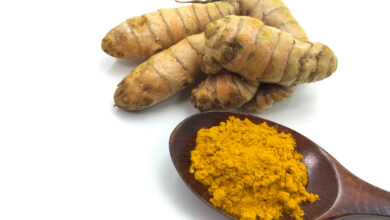
Traditional self-care relies on natural ingredients. Hair oiling with coconut or amla oil, and using face packs made of gram flour ( besan ), turmeric, and yogurt remain standard practice.
Recently, several real-life "aunties" have rocketed to internet stardom, becoming the face of viral memes. For example, , a Hyderabad food vendor, became famous for her allegedly overpriced biryani and the now-iconic phrase "two liver extra". In another instance, a video of a Tamil landlady warmly chatting with her North Indian tenant’s mother became a symbol of unity, celebrated under the hashtag "pure aunty content" .